Key Takeaway
Aberdare Cables vs Chinese factory-direct for XLPE, armoured & MV cable in South Africa & SADC. Same IEC/SANS standards, lower landed cost, lead time compared.
If you procure power cable for utility, mining, construction, or renewable projects in South Africa and the wider SADC region, Aberdare Cables needs no introduction. Founded in 1946, Aberdare is the largest and most established cable manufacturer in Southern Africa, with multiple production sites and a portfolio spanning power cable, flexible trailing and elastomer cable for mining, and energy-storage solutions. For decades it has been a default name on the approved vendor lists of Eskom, the municipalities, and the mining houses.
The question procurement teams across South Africa, Zambia, Botswana, Namibia, and Mozambique keep returning to is narrower than it first sounds: for standard XLPE and armoured cable written to IEC 60502 and the SANS standards that mirror it, can a Chinese factory answer the same clause list — and on this particular schedule, does that change the landed cost? Neither half is a given. The clause half is settled by type-test reports for the construction you are actually buying. The cost half only exists once your own freight, duty and clearing quotations are sitting next to the ex-works price.
What follows is written for the person who has to defend the decision: the clause list a Chinese factory must answer, the cost stack that makes the comparison real, and the approval chain a South African tender puts in front of you. It deliberately stops short of telling you the outcome, because the outcome depends on quotations and tender documents this page cannot see. Aberdare is a genuinely strong manufacturer, and several scopes should stay with it. Those are named explicitly rather than buried.
Company Overview: Aberdare Cables vs Chinese Manufacturers
| Factor | Aberdare Cables | Chinese Manufacturers (Tier 1-2) |
|---|---|---|
| Headquarters | South Africa | Various (Henan, Jiangsu, Zhejiang) |
| Founded | 1946 | 1967–1990s (most established factories) |
| Regional position | Largest cable manufacturer in Southern Africa | Export-focused, growing African distribution |
| Product range | Power cable, mining trailing/elastomer cable, energy-storage solutions | LV/MV power cable, armoured, ABC, control, ACSR — full commodity range |
| Primary standards | SANS, IEC | IEC, GB/T, BS, SANS-adaptable (export) |
| Footprint | Multiple SA production sites, ~1,700 staff (per company reporting) | Export from China, established Africa trade lanes |
| Positioning | Established regional incumbent | Cost-competitive factory-direct |
Aberdare's strength is real: nearly eight decades of local track record, a mining-cable portfolio built for African conditions, and in-country manufacturing that carries genuine local-content and lead-time advantages. The point of this comparison is not that Aberdare is weak — it is that for the commodity majority of most cable tenders (standard LV and MV XLPE and armoured cable to IEC/SANS), a qualified Chinese factory can be asked to answer the identical specification. Whether it is also the cheaper route on your schedule is something your own cost stack has to show, line by line, rather than something a comparison page can promise.
Price Comparison: Build the Landed-Cost Stack First
A per-metre number from either side means nothing on its own. Aberdare quotes you delivered, in rand, from local stock or local production. A Chinese factory quotes FOB in dollars against the copper price on the day of order. Those two figures are not comparable until both have been rebuilt into the same thing: cost per metre landed at your site, on the date the programme needs it.
Assemble it line by line, and insist every line has a source rather than an estimate:
| Cost line | Where the number has to come from |
|---|---|
| Cable ex-works | Supplier quotation, tied to a named copper reference and date |
| Sea or road freight | Your forwarder, priced on the actual drum dimensions and mass |
| Marine or transit insurance | Your insurer or forwarder, on the declared consignment value |
| Duty and VAT | The tariff heading your clearing agent assigns to that cable — not a rule of thumb |
| Clearing, port and documentation | Clearing agent quotation |
| Inland haul to site | Transporter quotation to the delivery point, including any landlocked leg |
| Inspection and testing | Day rate from the inspection house, quoted to the factory's location |
| Drums, returns and offcut | Your own project history |
| Currency, finance and holding cost | Your treasury's forward cover, the payment terms in each offer, and the cost of carrying stock for the longer lead time |
Run that table twice — once on the local quotation, once on the import — using current written quotations from the supplier, the forwarder and the clearing agent, each with a validity date on it. Estimates borrowed from a previous project are the single most common reason the two columns come out wrong.
What the exercise can tell you, and what it cannot: it produces a comparable rand-per-metre figure for a defined quantity, on a defined delivery date, under today's freight and duty. It does not produce a rule. Any difference you find is specific to that schedule and that week, and it moves when copper, freight rates, the tariff heading or the exchange rate move. Where the two columns come out close, the non-price factors below — stock availability, local-content clauses, approval time — usually decide the matter instead.
Small top-up quantities are worth a separate note: import overhead is largely fixed per shipment, so the fewer metres it is spread across, the less likely the import column wins. Where the cable is on a shelf in Johannesburg and needed this week, local stock is competing on time, which is a different comparison entirely.
That is also why there is no price table on this page. Send us the cable schedule and you get FOB plus CIF Durban, Cape Town, Walvis Bay, Beira or Dar es Salaam, benchmarked to that day's copper, in a form that drops straight into the stack above — the freight, duty, clearing and inland lines remain yours to obtain, because only your forwarder and clearing agent can quote them. What moves the ex-works line is broken down in our XLPE cable price per metre guide and SWA armoured cable price guide.
What sits inside the rand side of the stack: South African electricity and labour, local conversion and distribution overhead, and the imported compound and machinery a local mill has to land in South Africa before it can manufacture anything. How much of a locally made cable's cost base is itself imported varies by mill and by product, and is not something a buyer can read off from outside — if the split matters to your business case, ask the local supplier to describe its own cost structure rather than relying on a general claim.
What must not move on the specification side: conductor class, insulation compound and type-test scope stay identical or the comparison is void. Conductor to IEC 60228 Class 1/2 with resistance verified on every length; XLPE compound named in writing with the batch certificate attached; type tests against the same IEC clauses SANS cites. If a cheaper offer differs on any of those three, it is not the same cable and the cost stack tells you nothing.
Standards: IEC, SANS, and What Actually Has to Match
South Africa runs on the SANS standards, which for power cable are closely harmonised with IEC. That harmonisation is what makes a clause-level comparison possible in the first place:
- SANS 1507 / SANS 97 and related standards govern PVC and XLPE-insulated cable — built on the same technical base as IEC 60502.
- IEC 60502-1/-2 is the international reference for LV and MV XLPE cable and the document the SANS text follows; check which edition your specification cites.
- IEC 60228 governs conductors; IEC 60332 governs flame propagation; IEC 60811 governs mechanical and ageing tests.
- Mining cable carries additional requirements (flexibility, mechanical robustness, flame performance) — this is a specialist area, discussed below.
For a Chinese manufacturer, the work is producing to the SANS-referenced specification and providing type-test reports against the matching IEC clauses. Those reports are evidence, not an approval: on a South African tender, whether the offer is admissible is decided by the tender document, any named-brand clause in it, local regulations, and the consultant, employer or authority reviewing the submission. Standard compliance supports that case; it does not conclude it. When you evaluate a Chinese alternative to Aberdare, ask:
- Can you build and mark to the SANS-referenced specification, not just generic IEC?
- Can you provide type-test reports from an accredited laboratory (for example CNAS/ILAC-recognised) against the IEC clauses SANS mirrors, and will you send the reports themselves for the offered construction?
- Have you shipped this cable type into South Africa (or Zambia / Botswana / Namibia) before, and can you evidence it with shipping or project records?
Then ask the other half of the question on your own side: does the tender name a manufacturer, does it carry local-content or preferential-procurement conditions, and has the consultant confirmed in writing which marking format and which report scope they will accept? Those answers, not the certificate pack, determine eligibility.
Technical Quality: What Evidence Settles It
Arguing about whether Chinese cable is "as good as" Aberdare gets nowhere, because both answers are true depending on the factory. The question that can actually be answered is narrower: for this cable, on this order, what document proves the claim? Work through the cable from the inside out and attach a piece of evidence to each layer.
| Layer | Claim that has to hold | Evidence that settles it |
|---|---|---|
| Conductor | Meets IEC 60228 Class 1/2 resistance | Routine test result on every length shipped |
| Insulation compound | Named grade from a named producer | Compound certificate or purchase record for the batch |
| Cross-linking | Hot-set elongation within IEC 60811 limits | Type-test report against the IEC 60811 clause |
| MV insulation cleanliness | Partial discharge within IEC 60502-2 limits | PD result for that construction |
| Armour and sheath | Galvanised steel to IEC 60502; sheath suited to the site | Construction drawing plus sheath material declaration |
| Whole cable | Tested by an accredited lab | Report bearing an accreditation mark you can check against the accreditation body's register |
Conductor
Copper cathode trades on one global market, so origin is a weak signal on its own. Chinese factories buy from LME-registered producers such as Jiangxi Copper and Tongling Nonferrous, or import cathode from Chile, Zambia or the DRC. What you can verify is narrower and more useful than provenance: that DC resistance meets IEC 60228 Class 1/2 and is measured on every length, with the routine test results supplied. Ask for the cathode source in writing if it matters to your client, and for the resistance records either way. Aluminium and ACSR conductors follow the same logic under their own standard families.
Insulation: the layer worth the most verification effort
XLPE is where two offers quoting the same standard can differ most, and each difference has a document behind it:
Compound grade first. Exporters worth qualifying will name the XLPE compound they run — Borealis, Dow and Hanwha grades are common at that tier — while cheaper offers often decline to name a grade at all. Ask which grade, then ask for the compound certificate covering your batch and check the grade on it against the answer you were given.
Cross-linking second. Maillefer, Rosendahl or equivalent CCV lines are common at that tier, but the line brand is not the proof — the hot-set elongation result against IEC 60811 is.
Extrusion cleanliness third, and it only shows up on MV cable. Contaminants seed partial discharge, and IEC 60502-2 sets the acceptance criterion the report must meet at 2U₀. Do not work from a remembered figure: read the limit in the edition of the standard your specification cites, check whether your consultant or the employer has imposed a tighter project limit, then require the measured PD value for the construction being offered and compare it against whichever limit is binding. A supplier who cannot produce a PD report for that construction has not tested it. Treat that as the end of the conversation, not a negotiating point.
Armour, sheath and the South African site
SWA and STA armour is galvanised mild steel to IEC 60502, and PVC and LSZH sheathing compounds are widely produced in China; ask for the sheath compound declaration and the armour dimensions against the standard rather than assuming either. The specification work here is about the site, not the supplier: UV-resistant sheath for exposed outdoor runs, and a temperature rating that holds up in high-ambient inland conditions. For direct burial, confirm the sheath material against the soil and moisture conditions in the trench detail.
Where accreditation and local record, not the test list, separate the two
The standards set one test regime, and it applies to whoever is quoting. The useful question is not who runs more tests but which record each supplier will hand you:
| Test | Standard | Type of test | What to ask both suppliers for |
|---|---|---|---|
| Conductor resistance | IEC 60228 | Routine | Results for the lengths on your order |
| Voltage withstand | IEC 60502 | Routine | Routine test record for the production run |
| Insulation resistance | IEC 60502 | Routine | Routine test record for the production run |
| Partial discharge (MV) | IEC 60502-2 | Routine | Measured value against the binding limit |
| Hot set (cross-link) | IEC 60811 | Type test | Report for the offered construction |
| Flame propagation | IEC 60332 | Type test | Report for the specific sheath and configuration |
| Mechanical / ageing | IEC 60811 | Type test | Report for the offered construction |
The column that differs is not the test list — it is whose accreditation the report carries, how long the local record runs, and whether the report in front of you actually covers your construction. Aberdare has decades of SANS-tested South African production behind it. For a Chinese factory, ask which accreditation body recognises the laboratory, which clauses of your specification the scope covers, and whether higher-tier type tests (for example KEMA) exist for the offered construction — then request the reports and verify the accreditation mark against the issuing body's register rather than accepting the claim in an email. Where a supplier cannot produce the record for a row above, treat that row as untested rather than assumed.
Our own certificates and reports are published on the certificates page; for a tender, ask for the report matching the exact construction rather than the general file.
Mining Cable: A Legitimate Caveat
Aberdare's flexible trailing, reeling, and elastomer cable for mining is a genuine specialist strength, built for South African deep-level and opencast conditions. Mining cable is not commodity XLPE — it demands specific rubber compounds, mechanical endurance, and flame/toxicity performance, often to SANS mining-specific requirements and mine-house standards.
Honest guidance: for standard mine reticulation and surface power (fixed XLPE/armoured cable), a qualified Chinese factory can be quoted against the same specification and assessed on the same evidence. For flexible trailing and reeling cable in demanding underground duty, treat it as a specialist purchase: verify the exact rubber compound, the relevant mining approval, and a documented track record in comparable conditions before switching. Do not swap safety-critical trailing cable to an unproven source to save money.
Lead Time & Logistics
| Factor | Aberdare (local) | Chinese factory direct | What to get in writing |
|---|---|---|---|
| Quotation response | Local sales or distributor | Factory sales, direct | The quotation validity date on both |
| Production (standard) | Ex-stock if held; otherwise scheduled | Scheduled on the line | Stock confirmation, or production start and finish dates |
| Production (custom / MV) | Enters the local production queue | Enters the factory's line schedule | A dated production window, not a duration |
| Shipping | In-country road freight | Sea to Durban / Cape Town, then inland; or Walvis Bay / Beira / Dar es Salaam for landlocked SADC | Forwarder's current transit time for that route |
| Clearance | Not applicable | Port clearance and inland haul | Clearing agent's current clearance time and the transporter's transit time |
How to test that table against your own order: none of it is a commitment you should accept verbally. For cable Aberdare holds in stock in South Africa, ask the distributor to confirm the stock position and the delivery date in writing before you compare anything — on urgent or small orders that is usually the binding factor. For made-to-order MV cable and large-volume LV/ACSR, ask the Chinese factory for a written production window with a start and finish date, the drum schedule, and the vessel or border-crossing plan; ask your forwarder for current transit times on the specific route; and ask your clearing agent how long clearance is currently taking at that port. For landlocked markets (Zambia, Botswana, Zimbabwe), routing via Walvis Bay, Beira or Dar es Salaam is used by regional importers — get the inland leg quoted and timed by the transporter rather than estimated. Put every one of those dates in the purchase order with a remedy attached, because a lead time nobody has written down is not a lead time.
When to Stay with Aberdare (Legitimate Reasons)
- Mining flexible/trailing cable. Safety-critical elastomer cable for underground and heavy opencast duty — use a proven manufacturer with the right approvals and track record.
- Urgent, small, or top-up orders. When you need cable this week, local stock is the only option competing on that timescale — ask the distributor to confirm the stock position and delivery date in writing, then compare against the import lead time rather than assuming either.
- Local-content requirements. Some Eskom, municipal, and BEE-linked procurement carries local-content conditions that favour SA manufacture. Where that is a hard rule, it decides the matter.
- HV/EHV cable. Transmission-class cable and its jointing expertise belong with a demonstrated HV manufacturer.
- After-sales proximity. For projects needing hands-on local technical support and fast warranty response, an in-country manufacturer has an edge.
Split the Tender by Scope, Not by Supplier
Most Southern African electrical packages are not a single decision. They are a bill of quantities containing four or five different risk profiles, and treating them as one procurement is what makes the choice feel harder than it is. Sort the schedule first, then source each group on its own merits.
The commodity majority — source on standard and landed cost. Standard LV and MV XLPE and armoured cable from 0.6/1 kV to 33 kV built to IEC 60502 and the SANS specification that mirrors it, where the specification names no manufacturer. Specification and ordering detail for this group sits in our XLPE power cable sourcing guide and armoured cable supplier guide.
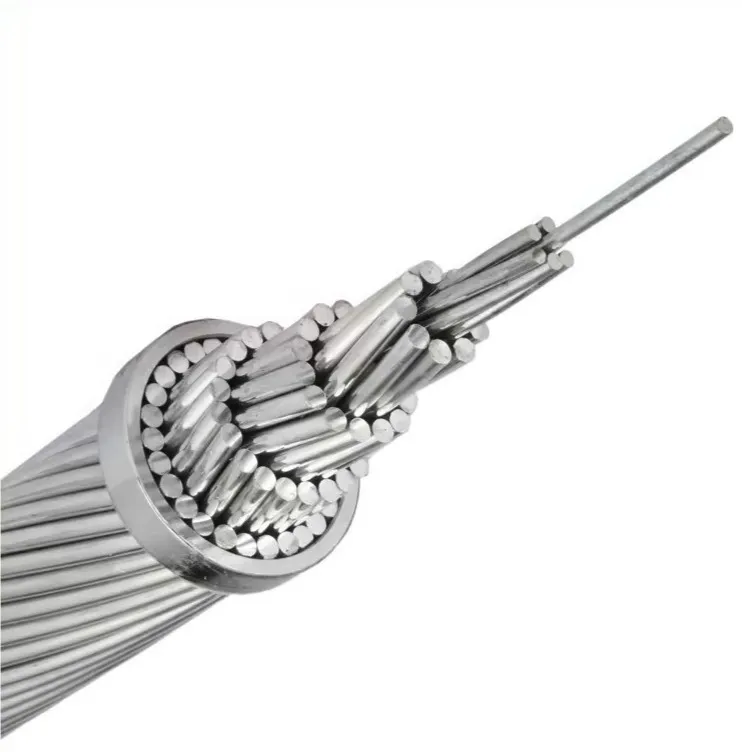
High-volume line building — where any per-metre difference is worth measuring. Grid extension, electrification and rural reticulation move enough metres that even a small per-metre difference is worth costing properly on the tender total, in either direction. Overhead conductor — ACSR, AAC and AAAC — belongs in the same group; see the ACSR conductor guide for sizing and stringing detail.
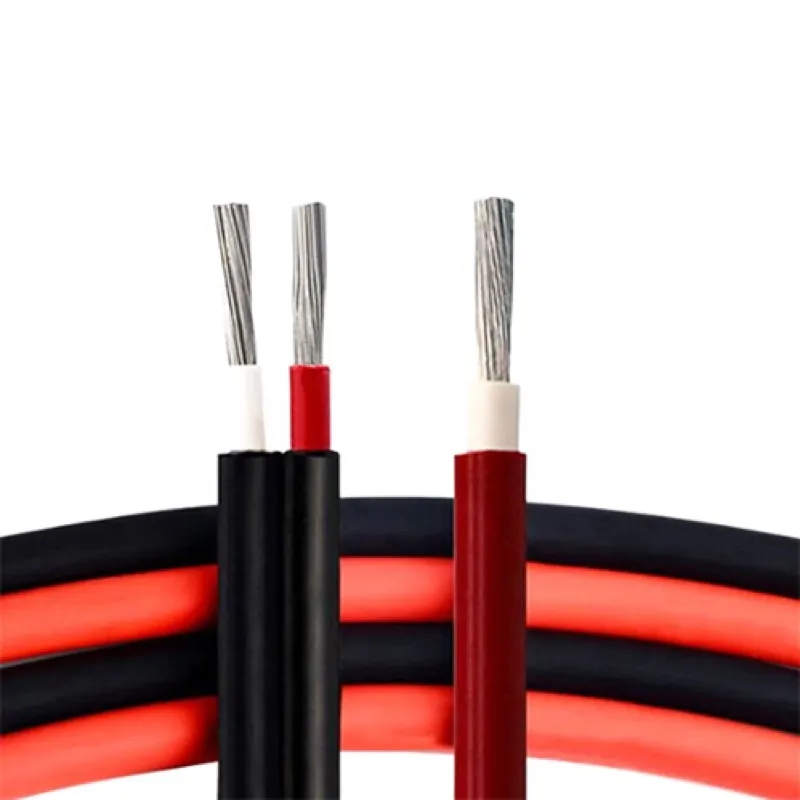
Renewables — volume against a clear standard. REIPPPP rounds and private solar build-outs need DC string cable and AC collection cable to IEC 62930 and IEC 60502 in quantity; check each specification for brand or origin constraints before assuming there are none.
Regional mixed packages. XLPE, armoured, ABC, control and ACSR loaded together for South Africa, Botswana or the wider SADC market can consolidate freight and reduce the number of interfaces you manage — ask the forwarder to quote the consolidated shipment against the separate ones before assuming it is cheaper.
Scopes to leave alone. Mining trailing and reeling cable, HV and EHV transmission cable, and anything bound by a local-content clause or needed off the shelf this week. Those are covered above and they are not the place to chase a saving.
One caveat worth stating plainly: where the specification names a manufacturer, the brand clause governs and no amount of equivalence documentation overrides it. Where it cites IEC 60502 or SANS compliance without naming anyone, a Chinese factory with matching accredited reports can be submitted for consideration — admissibility still rests with the tender conditions, local regulations and the consultant or authority reviewing it, so confirm their acceptance in writing before you build the offer around it.
The Qualification Path Through a South African Tender
Plan the qualification around the approval gates, not only the cable. The gates are the predictable part: a consultant who wants the SANS marking confirmed, a committee that has specified Aberdare for years, a clearing agent who assigns a tariff heading you did not budget for. Each one is a question you can ask early and get an answer to in writing.
Start from the document, not the offer. Take the specification off your last Aberdare order or the tender schedule: voltage class, conductor material and size, cores, armour, sheath, and every SANS and IEC clause cited. That document, not a description, is what goes out for quotation.
Put two or three factories against the same clause list. Each response needs type-test reports against those exact clauses, the XLPE compound grade in writing, and a production commitment with dates. Offers that answer a paraphrase of your specification are answering a different question.
Check the reports before the price. Accreditation mark on the type-test laboratory, verified against the accreditation body's register; conductor DC resistance to IEC 60228; insulation thickness and the PD result to IEC 60502-2 on MV constructions, read against the limit in the cited edition and any tighter project limit; IEC 60332 flame results, plus IEC 60331 wherever circuit integrity is specified. A cheap offer with a gap here is not a cheaper option, it is a different product.
Confirm the factory exists as described. On a first large tender, a third-party audit or a live video walk-through of the CCV line, the test lab and the branded compound store converts a claim into an observation. Our factory audit checklist sets out what to look at.
Buy inspection on the first production run. SGS, Bureau Veritas or Intertek witnessing routine tests and drum marking before shipment costs a day rate and produces an independent record you can put in front of a committee. Ask for that rate quoted to the factory's location so it sits in the cost stack rather than surfacing later.
Clear the tender-side gates in parallel. Read the local-content and preferential-procurement clauses before the technical work is finished; get the consultant to confirm in writing the marking format and report scope they will accept; and get the tariff heading and duty treatment from your clearing agent in writing. These run on institutional time, not yours, and none of them can be inferred from the cable itself.
A short version of the whole path, phrased as things to have in writing before you commit: the specification you issued; type-test reports for the offered construction with a verifiable accreditation mark; the compound grade and batch certificate; the PD result against the binding limit; a production window with dates; freight, duty, clearing and inland quotations with validity dates; the consultant's acceptance of the conformity route; and the local-content position on that specific tender. Where an item on that list is missing, the honest status is unknown — not favourable.
Where Huanghe Cable Fits in a Southern African Package
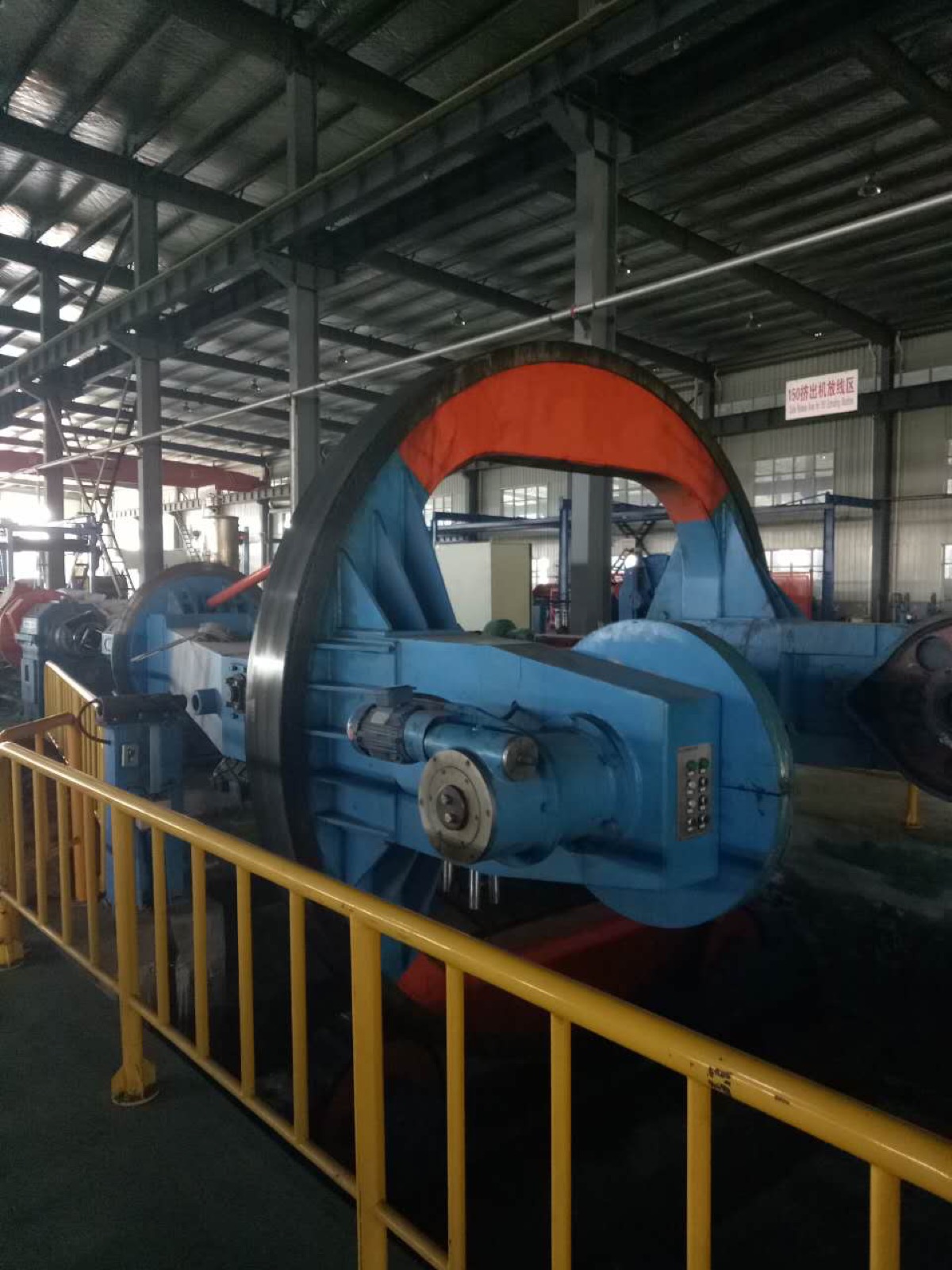
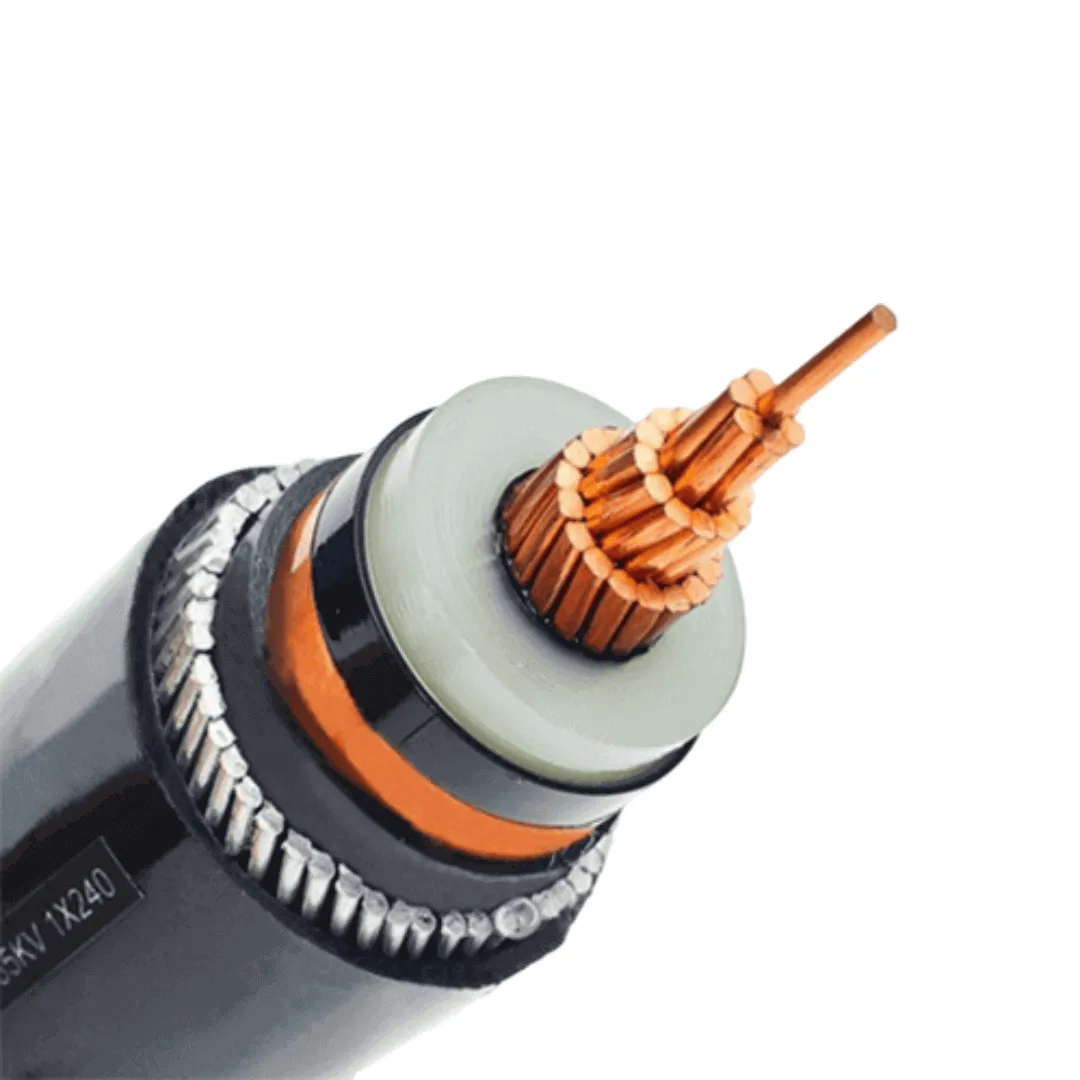
We manufacture the commodity groups identified above — LV and MV XLPE to 26/35 kV in copper or aluminium, SWA and STA armoured cable to IEC 60502 and BS 5467, ACSR and bare overhead conductor, LV and MV ABC for reticulation, control cable, and solar DC cable to IEC 62930 — built to IEC 60502 and marked to the SANS-referenced specification. Botswana and South Africa appear in our project references.
Against the qualification path above, here is what we can put in writing and what we cannot. We quote FOB and CIF against your schedule and the copper price on the day, with no distributor layer in between. We supply type-test reports from accredited laboratories against the IEC clauses SANS mirrors, for the construction being offered rather than a general file, and you are welcome to check the accreditation mark against the issuing body's register. We consolidate mixed-product containers for the region and can ship through Durban, Cape Town, Walvis Bay, Beira and Dar es Salaam, with the inland leg quoted by the transporter to your delivery point. Communication is direct with the factory, in English, for the life of the order.
What we cannot put in writing is anyone else's part of the chain: we do not control freight rates, duty classification, port clearance times, or whether your consultant and the tender conditions accept an imported cable. Ask us for the ex-works line, the reports and the production dates; get the rest from your forwarder, your clearing agent and the tender documents, and hold us to the parts that are ours.
What we will not do is bid scopes we should not hold: safety-critical mining trailing and reeling cable, and HV/EHV transmission cable, belong with a proven specialist and we will say so rather than quote them.
Send the cable schedule and you get a clause-for-clause quotation with the matching type-test report and copper-referenced FOB/CIF pricing — in the format the cost stack at the top of this page needs.
Frequently Asked Questions
Is Chinese cable accepted on South African utility and municipal tenders?
That is decided by the tender document and the people evaluating it, not by the cable. Where a tender cites "IEC 60502 / SANS compliant" without naming a manufacturer, matching type-test reports from an accredited laboratory are the evidence you submit — acceptance still depends on the tender conditions, local regulations, and the consultant, employer or authority reviewing the submission, so get their position in writing early. Where the procurement carries explicit local-content or preferential-procurement conditions, in-country manufacture may be a hard requirement that decides the matter. Always read the local-content and brand clauses first.
Does Chinese cable meet SANS standards, not just IEC?
The SANS power-cable standards are closely harmonised with IEC 60502, so the same type tests can be referenced — but that is a property of the standards, not a statement about any particular factory. Ask the supplier directly whether they will build and mark to the SANS-referenced specification rather than generic IEC, and ask for the type-test reports against the matching IEC clauses for your construction. Then confirm with your consultant that the marking format and report scope on offer is what they will accept.
How does the rand exchange rate affect the comparison?
Both options carry currency exposure — a local mill buys raw material and machinery priced in hard currency, and a China purchase is typically USD-denominated. Because part of the local cable's cost base is imported too, a weaker rand does not move only one side of the comparison. How much it moves each side is specific to each supplier's cost structure and your own forward cover, so re-run the cost stack at current rates rather than assuming the relationship holds from a previous project.
Can a Chinese factory supply mining cable for South African mines?
For fixed mine reticulation and surface power (XLPE/armoured), it can be quoted against the same specification as any other supplier. For flexible trailing and reeling cable in demanding underground duty, treat it as a specialist purchase — verify the exact rubber compound, the relevant mining approval, and a documented track record in comparable conditions before switching, and check what the mine house's own standards require. Do not swap safety-critical trailing cable purely to save money.
How do we handle logistics to landlocked SADC countries?
Cable ships to a coastal port (Durban, Cape Town, Walvis Bay, Beira, or Dar es Salaam) then moves inland by road or rail to Zambia, Botswana, Zimbabwe, or Malawi. Regional importers use these routes routinely, but transit time and cost vary by corridor and season — get the inland leg quoted and timed by your transporter, and build it into the programme. We quote to the delivery point you specify for the legs we control.
What is the single most important thing to verify?
The XLPE compound grade, and on MV cable the partial-discharge result that goes with it. Ask for the grade in writing with the batch certificate, and for the measured PD value for the construction offered, then check it against the acceptance criterion in the cited edition of IEC 60502-2 and any tighter limit your consultant has set. A supplier who will not name the compound or produce the PD report has told you something important. If you only have time for one check before the tender closes, make it that one.
Further Reading for a Southern African Tender
Sequenced the way the work actually runs:
- Cable supplier to Southern Africa — scope, ports and product range for the region
- What moves XLPE cable price per metre — the ex-works line in the cost stack
- SWA armoured cable cost per metre — same exercise for armoured constructions
- ACSR conductor selection and sizes — for the line-building portion of the schedule
- IEC, KEMA and CB certification explained — how to tell which report proves what
- How to audit a Chinese cable factory — the audit step in the qualification path
- How to import cable from China — documents, Incoterms and clearing
- Red flags of a cable scam — what to walk away from
- Nexans compared on the same specification — if a European incumbent is also on your vendor list
Market Context: Why Southern African Buyers Compare
Southern Africa's cable demand is driven by grid expansion and maintenance under constrained utility budgets, an accelerating renewable build-out (REIPPPP and private solar/wind), continued mining investment, and construction. Every one of these consumes commodity XLPE, armoured, ACSR, and solar cable in volume — the categories where a standard specification and large quantities make a second source worth quoting.
At the same time, procurement teams operate under real cost pressure: constrained utility capex, currency volatility, and pressure to stretch every rand. That combination pushes buyers to test where savings might exist on commodity spend — and cable is one of the largest single line items on any electrical package, so it is worth costing properly rather than assuming either answer.
Aberdare remains a strong, credible incumbent with genuine advantages in local stock, mining cable, and local-content compliance. The realistic 2026 framing is not "replace Aberdare with China" but "match the source to the scope, then prove it on paper": local for urgent stock, mining trailing cable, and local-content-bound tenders; a qualified Chinese factory as a candidate for the large-volume standard XLPE/MV/ACSR/solar cable that dominates the spend, subject to the clause check and the cost stack above.
Decision Summary
| Line item on your schedule | Where to test first | What has to hold |
|---|---|---|
| Standard LV/MV XLPE and armoured to IEC 60502 / SANS | Quote both; compare on the cost stack | Same clause list evidenced for the offered construction |
| Large-volume grid and electrification runs | Quote both | Any per-metre difference is worth measuring at this volume |
| ACSR and bare overhead conductor | Quote both | Standard construction, widely supplied |
| Solar DC and AC collection cable | Quote both | IEC 62930 evidence, no brand clause in the specification |
| Urgent or small top-up quantity | Aberdare or local stock | Written confirmation of stock and delivery date |
| Mining trailing and reeling cable | Aberdare or a proven specialist | Life-safety duty, specialist compounds, documented approvals |
| Tender with a local-content clause | Aberdare | The clause decides, not the comparison |
| HV / EHV transmission cable | Proven HV specialist | Neither option above applies |
Up to 35 kV, on standard XLPE, armoured, ACSR and solar cable built to IEC 60502 and the SANS specification that mirrors it, a qualified Chinese factory is a legitimate candidate against Aberdare — on the condition that the clause list is evidenced for the construction you are buying and that your own freight, duty, clearing and inland quotations show the landed cost. Neither the equivalence nor the saving is automatic, which is why the cost stack, the document-by-layer check, and the tender gates come before the price comparison rather than after it. Sort the schedule by scope, verify in writing, then reorder against a baseline you have actually measured.
Disclaimer: This article is an independent comparison written for procurement research. Aberdare Cables is a respected manufacturer and every reference to it here is factual and neutral. Standards cited are published IEC and SANS documents. No prices are quoted — request a quotation against your own specification.