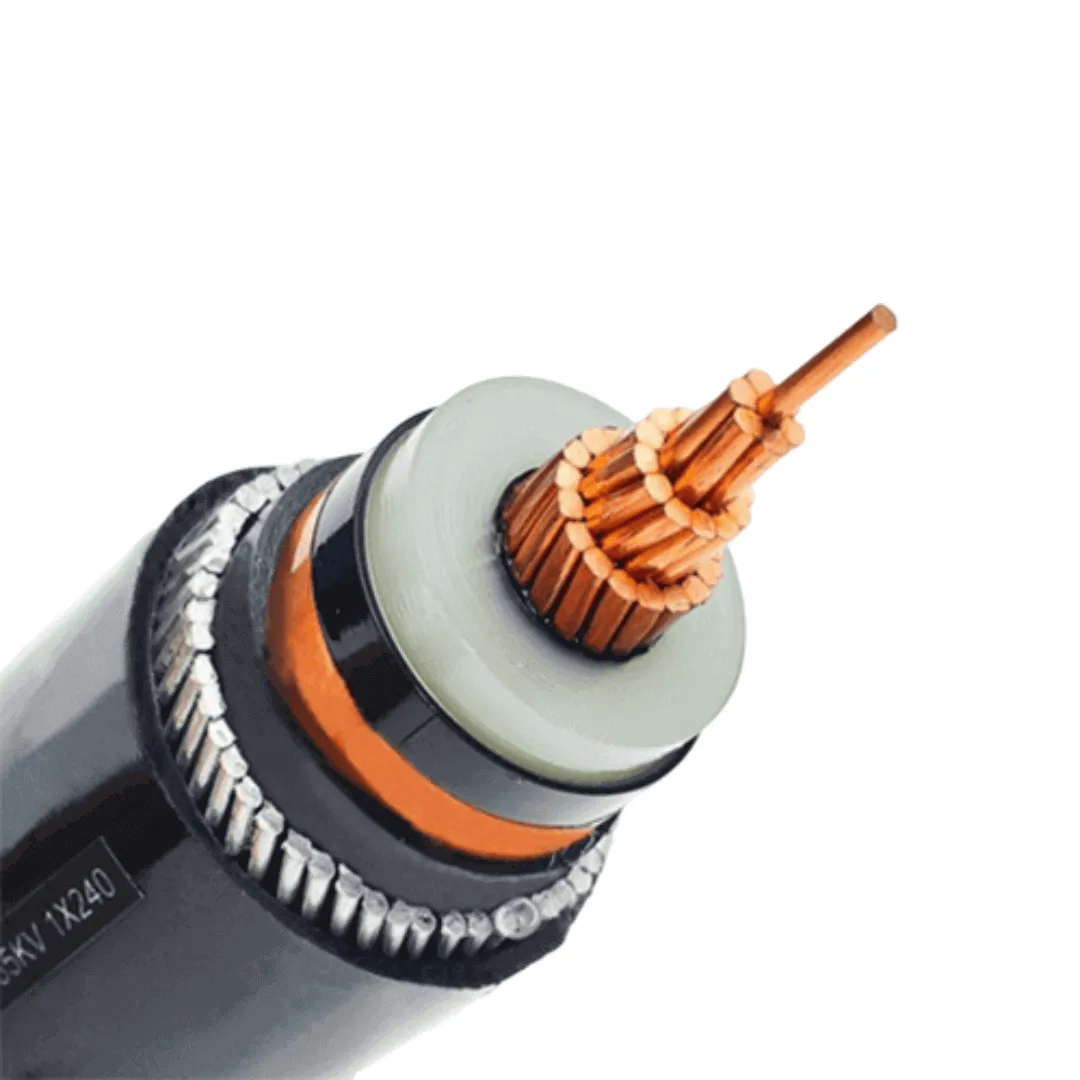
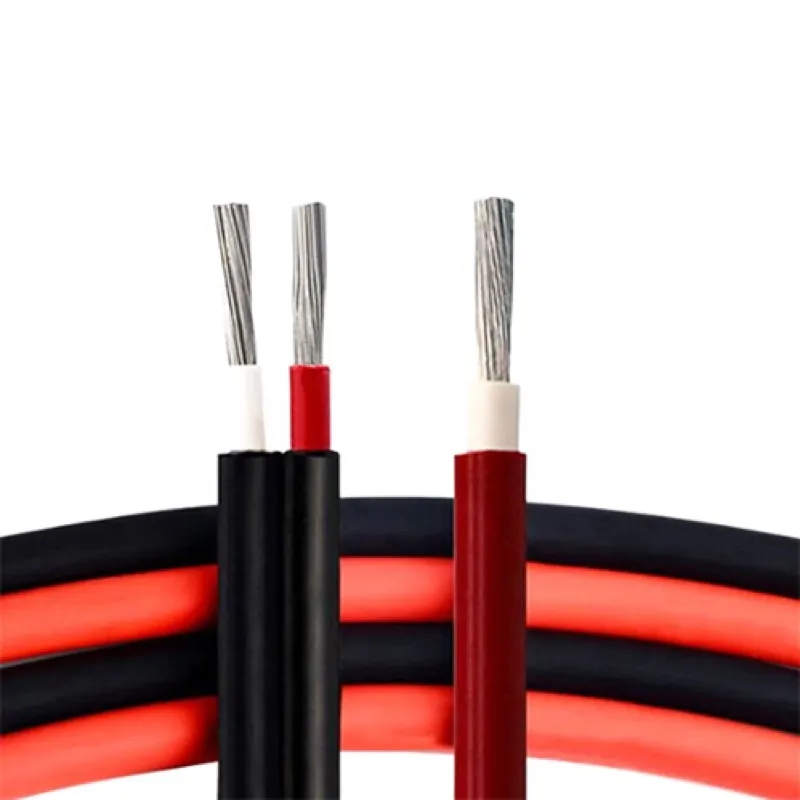
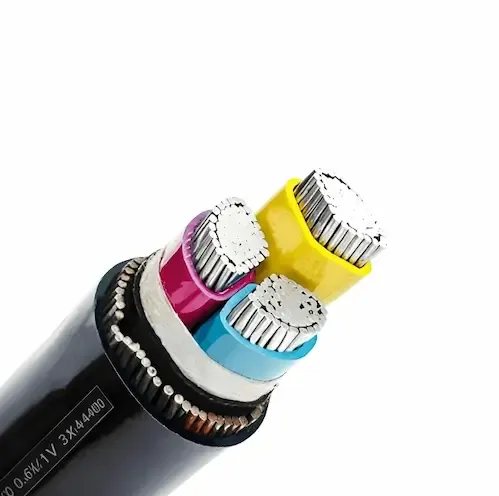
Key Takeaway
CADIVI vs Chinese factory-direct for XLPE, armoured, control & fire cable in Vietnam. Same IEC/TCVN standards, lower cost, short China-border logistics.
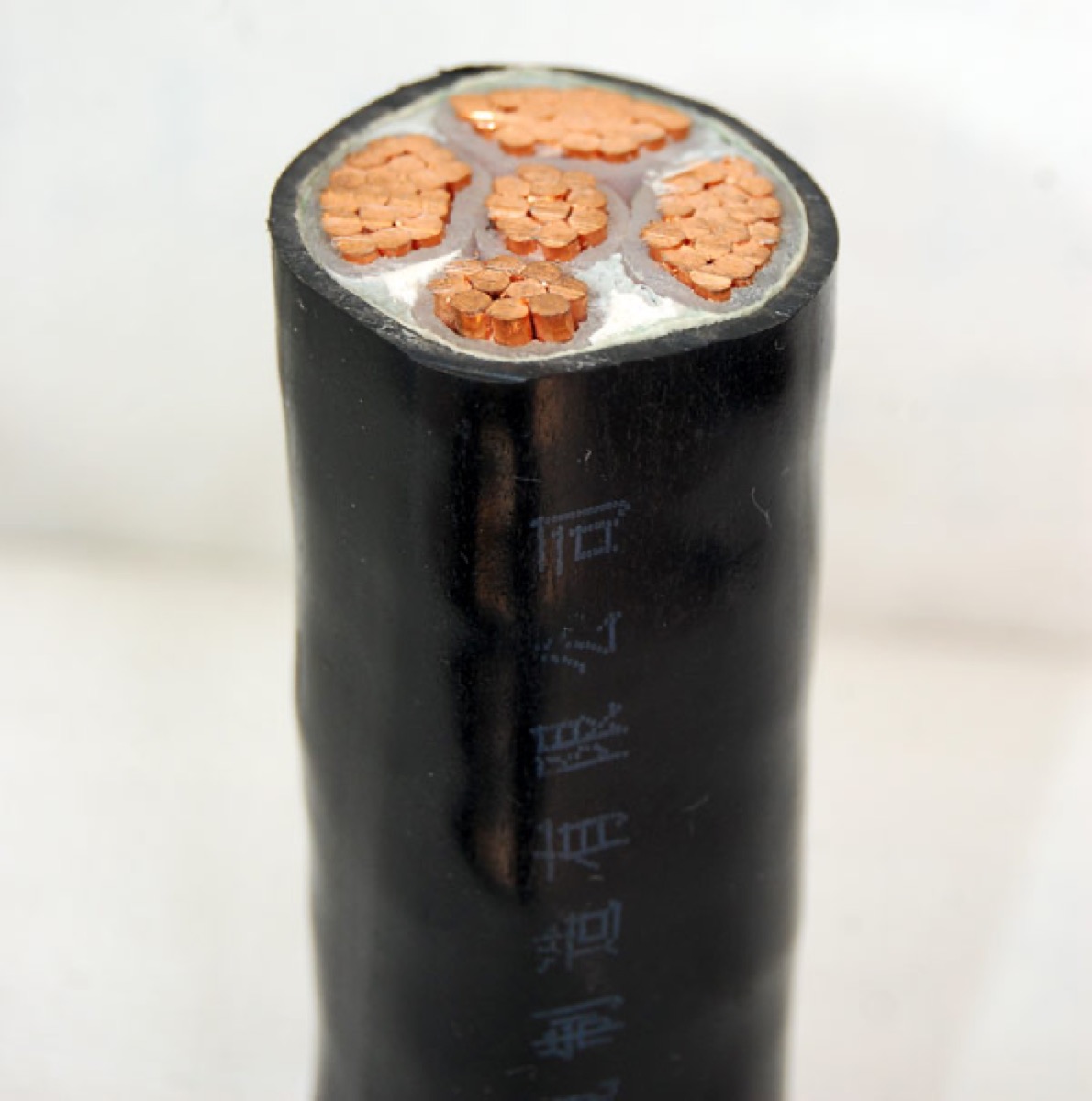
If you procure power cable for construction, industrial, infrastructure, or renewable projects in Vietnam, CADIVI is the name you compare everything against. Founded in 1975, CADIVI (Vietnam Electric Cable Corporation) is the largest and most established cable manufacturer in Vietnam, with a broad domestic distribution network and a portfolio covering building wire, LV and MV power cable, and control cable. It is the default specification on a large share of Vietnamese building, factory, and utility projects.
Procurement teams building factories, high-rises, metro lines, and solar farms across Vietnam are usually weighing two separate questions at once, and it helps to keep them apart. First: for standard XLPE and armoured cable written to IEC 60502 and the TCVN standards that adopt it, can a Chinese factory produce the reports that answer the same clause list? That is a documentation question with a yes-or-no answer per construction. Second: on this order, with today's freight, duty and clearance costs, does importing change the landed cost? That is an arithmetic question only your own quotations can settle. Proximity to the border affects the second question but does not decide it.
Everything below is organised around what a Vietnamese buyer has to be able to show on paper: does the offered cable satisfy the TCVN clause the design cites, will the people reviewing the submission accept it, and what does it cost delivered. CADIVI has real domestic advantages, named plainly in their own section. The rest is the equivalence check and the delivery decision.
Company Overview: CADIVI vs Chinese Suppliers
| Factor | CADIVI | Chinese Suppliers (Tier 1-2) |
|---|---|---|
| Headquarters | Ho Chi Minh City, Vietnam | Various (Henan, Jiangsu, Zhejiang) |
| Founded | 1975 | 1967–1990s (most established factories) |
| Regional position | Largest cable manufacturer in Vietnam | Export-focused, strong ASEAN trade lanes |
| Product range | Building wire, LV/MV power cable, control cable | LV/MV power cable, armoured, control, fire-resistant, ABC, ACSR, solar — full range |
| Primary standards | TCVN, IEC | IEC, GB/T, BS, TCVN-adaptable (export) |
| Footprint | Dominant domestic distribution across Vietnam | Export from China, established Vietnam trade lanes |
| Positioning | Established domestic incumbent | Cost-competitive factory-direct |
CADIVI's strength is real: decades of domestic track record, ubiquitous local distribution and stock, and strong brand recognition with Vietnamese contractors and inspectors. The point of this comparison is not that CADIVI is weak — it is that for the commodity majority of most cable packages (standard LV and MV XLPE, armoured, and control cable to IEC/TCVN), a qualified Chinese factory can be asked to answer the same specification and produce the same evidence. Whether it also lands cheaper on your schedule is a calculation, not a given, and the short border changes the size of the freight line rather than the need to do the sum.
Cost: The Sum You Have to Do Yourself
Vietnam's short transport leg tempts buyers to skip the arithmetic — a drum crossing at Pingxiang into Lang Son, or moving on the short sea leg to Hai Phong, carries a smaller freight bill than a long ocean route, so the ex-works difference looks decisive on its own. It is not. Freight is one line of several, and the lines that most often reverse the answer are duty, clearance and the cost of holding stock for a longer lead time.
So build both offers into the same number — dong per metre, delivered to site, on the date the programme needs it — and make each line traceable to a document:
- Ex-works or FOB price, tied to a named copper reference and a quotation date. Any quotation that fixes a per-metre figure without naming a copper reference has absorbed the price risk into the margin, and you pay for it either way.
- Freight, quoted by your forwarder on the actual drum dimensions and mass, for the specific route — overland through Guangxi and short sea to Hai Phong do not cost the same.
- Insurance on the declared consignment value.
- Import duty and VAT, at the tariff heading your customs broker assigns to that construction. Ask for the heading in writing; a heading assumed from a previous shipment is the most expensive shortcut in this list.
- Customs clearance, port or border charges, and documentation, from the broker.
- Inland transport to the site, quoted by the transporter to the actual delivery point.
- Inspection and testing you intend to buy, at the inspection house's day rate quoted to the factory's location.
- Finance and inventory cost — payment terms, any letter of credit charges, and the working capital tied up while the cable is in transit or in store.
Then compare like for like on quantity and delivery date. What the sum produces is a figure for that schedule in that week, valid as long as the quotations behind it are. What it does not produce is a general rule about either source: copper, freight rates, the exchange rate and the tariff treatment all move, and a result from last quarter's project does not carry over.
Two lines deserve a comment because buyers under-weight them. The first shipment carries one-off documentation and customs work — marking format, import paperwork, the tariff heading — and if you are comparing a single order, that cost belongs in the import column in full; whether it reduces on later orders depends on how much of the work you actually get to reuse, which is worth asking your broker rather than assuming. And on a few hundred metres of building wire, that fixed overhead is spread across so little cable that local stock is usually competing on a different basis altogether.
There is no price table here because a per-metre number without your specification is not information. Send the cable schedule and the quotation comes back FOB and CIF Hai Phong or Ho Chi Minh City, or DAP overland through the Guangxi crossings, referenced to that day's copper — lines 2 through 8 above still have to come from your forwarder, broker and transporter, because nobody else can quote them for your route. Our XLPE cable price guide and SWA armoured cable price guide explain which construction choices move line 1 before you ask for it.
What must not move is the specification itself. Conductor to IEC 60228 / TCVN 6612 Class 1/2, resistance measured on every length. Insulation compound named in writing with the batch certificate. Type tests against the IEC clauses TCVN adopts, for the construction quoted. A quotation that undercuts on any of those three is priced on a different product and the comparison is void.
Standards: IEC, TCVN, and What Actually Has to Match
Vietnam runs on TCVN standards, which for power cable are adopted from IEC. That makes a clause-level comparison possible; it does not by itself make an offer admissible:
- TCVN 5935 (= IEC 60502) governs XLPE-insulated power cable for rated voltages up to 30kV — the Vietnamese adoption of the IEC standard.
- TCVN 6612 (= IEC 60228) governs conductors of insulated cable.
- IEC 60332 / TCVN governs flame propagation; IEC 60331 governs circuit integrity under fire; IEC 60811 governs mechanical and ageing tests.
- Fire-performance cable for metro, tunnel, and high-rise work carries additional fire-integrity and low-smoke requirements — a specialist area discussed below.
For a Chinese supplier, the work is producing to the TCVN-referenced specification and providing type-test reports against the matching IEC clauses. Treat those reports as evidence rather than clearance: on a Vietnamese project, whether the cable can be used is decided by the project specification, any named-brand or domestic-manufacture clause in it, Vietnamese regulations, and the design consultant, developer or approving authority reviewing the submission. When you evaluate a Chinese alternative to CADIVI, ask:
- Can you build and mark to the TCVN-referenced specification, not just generic IEC?
- Can you provide type-test reports from an accredited laboratory (for example CNAS/ILAC-recognised) against the IEC clauses TCVN mirrors, and will you send the reports for the offered construction?
- Have you shipped this cable type into Vietnam before, and can you evidence it — including how the customs and marking requirements were handled?
And on your own side, before the technical work is finished: does the specification name a manufacturer or require domestic manufacture, and has the consultant confirmed in writing which marking format and which report scope they will accept?
Specification Equivalence: Clause by Clause
Because TCVN adopts the IEC text for power cable, the paperwork side of a Vietnamese equivalence check is comparatively clean. You are not arguing that two different standards produce comparable cable. You are confirming that a supplier has tested against the IEC clause your TCVN reference already points to — and then asking the consultant whether that satisfies them. Line the two columns up before the conversation, not during it.
| Design reference | The IEC clause behind it | What the offer must contain |
|---|---|---|
| TCVN 5935 (XLPE power cable to 30 kV) | IEC 60502-1 / -2 | Type-test report for the offered construction, not the product family |
| TCVN 6612 (conductors) | IEC 60228 | Class 1/2 DC resistance, measured per length |
| Flame propagation | IEC 60332 | Result for the specific sheath and configuration |
| Circuit integrity under fire | IEC 60331 | Report for the exact fire class specified |
| Mechanical and ageing | IEC 60811 | Hot-set elongation within limits |
| Smoke and halogen | IEC 61034 / IEC 60754 | Required only where the design calls for LSZH |
Three questions settle whether a Chinese supplier can serve this list: can you build and mark to the TCVN reference rather than generic IEC, can you produce accredited reports against those IEC clauses for the construction quoted, and have you shipped this construction into Vietnam before including the customs and marking side. A no to the third is not disqualifying, but it tells you where the first shipment will slow down. A no to the second ends it.
Layers where the standard does most of the work
Conductor first, and it is the least contested part of the comparison. Both a domestic mill and a Chinese factory work to IEC 60228 / TCVN 6612 Class 1/2 and buy cathode on the same global market — Jiangxi Copper and Tongling Nonferrous are among the LME-registered producers on the Chinese side. What you can check is the DC resistance record for the lengths on your order, so ask for it from whoever is quoting rather than treating the class declaration as the evidence.
Armour and sheath are similar: SWA and STA armour is galvanised mild steel to IEC 60502, and PVC and LSZH sheathing compounds are widely produced in China. Ask for the sheath compound declaration and the armour dimensions checked against the standard. What deserves more attention is Vietnam's climate rather than the supplier: a monsoon environment with high humidity means specifying UV-resistant sheath for exposed runs and confirming the sheath's suitability in damp and direct-buried conditions. That is a design question you would put to any manufacturer.
The layer where offers genuinely diverge
XLPE insulation is the exception. Two factories can both cite IEC 60502 and deliver visibly different cable, and it comes down to three things in order of how often they go wrong.
Compound grade is first. Serious exporters will name the XLPE compound they run — Borealis, Dow and Hanwha grades are common at that tier — while the budget tier often will not name a grade at all. Get the grade in writing and the batch certificate with it, then check the two agree.
Cross-linking is second. CCV lines from Maillefer, Rosendahl or equivalent are common at that tier, but the proof is the hot-set elongation result against IEC 60811, not the line's nameplate.
Extrusion cleanliness is third and only shows on MV constructions, where contaminants seed partial discharge. IEC 60502-2 sets the PD acceptance criterion at 2U₀ — read the limit in the edition your specification cites, check whether the consultant or developer has imposed a tighter project limit, then require the measured value for the construction being offered and compare it against whichever limit binds. No PD report for that construction means it was not tested; close the file rather than negotiate.
Where the two suppliers actually differ
| Test | Standard | Type of test | What to request from either supplier |
|---|---|---|---|
| Conductor resistance | IEC 60228 / TCVN 6612 | Routine | Results for the lengths on your order |
| Voltage withstand | IEC 60502 | Routine | Routine record for the production run |
| Insulation resistance | IEC 60502 | Routine | Routine record for the production run |
| Partial discharge (MV) | IEC 60502-2 | Routine | The measured pC value, read against whichever limit binds |
| Hot set (cross-link) | IEC 60811 | Type test | Report for the offered construction |
| Flame propagation | IEC 60332 | Type test | Report for the sheath material and cabling arrangement quoted |
| Circuit integrity (fire) | IEC 60331 | Type test | Report for the exact fire class specified |
The test list is set by the standards, so it does not distinguish the two suppliers — the records do. CADIVI's come with decades of TCVN-tested Vietnamese production and an inspector base already familiar with the brand. For a Chinese factory, ask which accreditation body recognises the laboratory, which clauses of your design the accreditation scope covers, whether higher-tier type tests such as KEMA exist for the offered construction, and then verify the mark on the report against the issuing body's register. Where a supplier cannot produce the record for a row above, treat that row as untested.
Fire Cable: The One Category to Treat Differently
Metro construction in Hanoi and Ho Chi Minh City, high-rise development and industrial fit-outs put fire-performance cable on a growing share of Vietnamese schedules. It is also the category where the equivalence logic above stops applying cleanly.
The reason is that "fire-resistant" is not one property. IEC 60331 covers circuit integrity under fire, IEC 60332 covers flame propagation, and IEC 61034 with IEC 60754 covers smoke density and halogen content. A design specifies a particular combination and class. A certificate proving one of them says nothing about the others, and a report for a different core count or construction is not a report for yours.
Qualified Chinese factories manufacture to all of these, and they should be asked for the same evidence as anyone else. What changes is how little room there is for a documentation gap. Ask for the type-test report matching the exact fire class and the exact construction being quoted, and get the consultant's written acceptance of that report before the order. If it is not available, do not substitute — this is life-safety product and the cost of being wrong is not commercial.
Choosing the Delivery Route
In most markets, importing cable means one option: a container on a long ocean leg. Vietnam has three, and picking the right one per order matters as much as the ex-works price. Get each route quoted and timed in writing before choosing — transit times and charges vary by season, by crossing and by broker.
Overland through Guangxi. Pingxiang and Youyi Guan into Lang Son, or Hekou into Lao Cai. Transit is usually measured in days rather than weeks, which suits northern projects and mid-size drum quantities; ask the forwarder for the current figure for your crossing. It also means a land-border customs process, so the marking and documentation have to be right before the truck moves.
Short sea to Hai Phong or Ho Chi Minh City. One of the shorter export routes out of China. It handles volume and full-container consolidation better than road, and serves southern industrial zones directly — confirm sailing frequency and current port clearance times with your broker.
Domestic stock. Not an import route at all, and for a few hundred metres needed this week it is usually the correct answer. Ask the distributor to confirm the stock position and delivery date in writing, then compare that date against the import options rather than assuming either.
What this does to the comparison:
| Domestic incumbent | Chinese factory, imported | |
|---|---|---|
| Cable already in stock | Delivery date confirmable now | Cannot match a same-week date |
| Made-to-order MV construction | Enters the domestic production queue | Enters the factory's line schedule |
| Large LV volume | Depends on local capacity at the time | Ask for the production window in writing |
| Small building-wire top-up | Off the shelf | Fixed import overhead spread over few metres |
| First order of any kind | No new paperwork | Customs, marking and documentation work to settle |
The practical consequence of proximity is narrower than it is often made to sound: it reduces the transit time and the freight line, so the trade-off is less about weeks of waiting and more about the documentation work on the first shipment. How much of that work carries over to later orders is worth asking your broker, and how much the shorter transit is worth in money belongs in the cost stack above rather than in a general claim.
When CADIVI Is the Right Answer
Five situations, and none of them are concessions:
The cable is needed this week. A distributor holding it locally can confirm a date an import cannot, and time is usually the binding constraint on a construction programme.
The specification names the brand. Some Vietnamese public and developer specifications name CADIVI or require a domestic manufacturer outright. A brand clause is not an equivalence argument you can win with documentation — it governs, and that ends the analysis.
Low-volume building wire on a single site. Fixed import overhead spread across a few hundred metres is unlikely to survive the cost stack. Price it locally first and only import if the sum says otherwise.
The project needs someone on site tomorrow. Immediate local technical support and warranty response is a genuine domestic advantage, particularly on fit-outs with compressed handover dates.
Fire cable you cannot finish qualifying in time. If the matching IEC 60331/60332/61034 reports are not in hand before the order has to be placed, stay with the proven product. Schedule pressure is not a reason to substitute life-safety cable.
Where Importing Is Worth Quoting
The inverse of the list above. The scopes where a Chinese factory is worth putting into the comparison on a Vietnamese project, with the reason stated rather than asserted.
Standard LV and MV XLPE and armoured cable from 0.6/1 kV to 35 kV, built to IEC 60502 and TCVN 5935, is the bulk of most schedules and the clearest case: the same clause list can be evidenced, the typical specification names no brand, and the freight leg is short enough that the cost stack is worth running. Construction and ordering detail is in our XLPE sourcing guide and armoured cable supplier guide.
Large-volume work — industrial parks, FDI factory build-outs, grid extension — is where any per-metre difference becomes a number that shows on the package total, in either direction, so it is worth costing rather than estimating. The same applies to multi-core control cable bought in bulk for factory automation and process plants, and to DC string and AC collection cable to IEC 62930 for Vietnam's solar and wind programme.
Mixed packages are the underrated case. XLPE, armoured, control, fire-resistant and solar cable consolidated from one production base into one shipment to Vietnam or onward across Southeast Asia reduces the number of suppliers, invoices and delivery windows you manage — ask the forwarder to price the consolidated shipment against the separate ones so the saving is a figure rather than an assumption.
One procedural point that decides more tenders than any technical argument: read the brand clause first. Where a specification cites IEC 60502 or TCVN 5935 compliance without naming a manufacturer, a Chinese factory with matching accredited reports can be submitted — acceptance still rests with the specification's conditions, Vietnamese regulations and the consultant or authority reviewing it, so get that confirmation in writing. Where it names CADIVI, equivalence evidence does not change the outcome.
Running the Qualification
Because China and Vietnam share a land border, a factory visit is a shorter and cheaper exercise than it would be from a distant market — ask the supplier what visit dates they can host, and plan the trip against your own travel time rather than a general claim. That tends to move the site visit from a last-resort verification step to something you can schedule early in the qualification.
Take the specification, not a summary. Voltage class, conductor material and size, cores, armour, sheath, fire class where it applies, and the TCVN and IEC clauses cited. Send that document out, not a description of it.
Quote two or three factories against it. Each response should carry type-test reports against those specific clauses, the XLPE compound grade in writing, and a production commitment with dates attached.
Read the documents before the numbers. The accreditation mark on the type-test laboratory, verified against the accreditation body's register. Conductor DC resistance to IEC 60228 / TCVN 6612. Insulation thickness and PD to IEC 60502-2 on MV, against the limit in the cited edition and any tighter project limit. Fire reports to IEC 60331, 60332 and 61034 wherever fire cable appears in the schedule. A missing report is a missing product characteristic, not a paperwork delay.
Go and look. A plant visit lets you see the CCV line running, the test lab in use, and branded compound in the store rather than named in an email. Agree the scope of the visit in advance — which lines, which lab, which records — so the trip produces observations you can write down. Our factory audit checklist covers what to look at; our own factory tour and photo gallery show what we publish before you arrive.
Put inspection on the first run. SGS, Bureau Veritas or Intertek witnessing routine tests and drum marking before shipment costs a day rate and produces an independent record. Budget it as part of the first order rather than an exception.
Settle customs and marking early. The first shipment carries the documentation learning curve — tariff heading, marking format, import paperwork. Get your broker involved while the technical qualification is still running so the two finish together, and ask which parts of the classification and marking work will carry over to repeat orders.
Get the delivery and communication commitments in writing. Production start and finish dates, drum schedule, route and port or crossing, who the named contact is, and what response time the supplier commits to for technical queries during production — with a remedy in the purchase order if the dates slip. Verbal assurances about speed or availability are not verifiable and should not be priced in.
Before You Place a First Order: What to Have in Hand
Rather than predicting how the order will go, work from a list of items that either exist or do not. Each line below is something you can hold, and where it is missing the honest status is unknown rather than acceptable.
| Item | Source | Why it matters |
|---|---|---|
| Issued specification with TCVN and IEC clauses | You | Everything else is measured against it |
| Type-test reports for the offered construction | Supplier | Evidence against those clauses, not the product family |
| Accreditation scope for the testing laboratory | Accreditation body's register | Confirms the report covers your clauses |
| Compound grade in writing plus batch certificate | Supplier | The layer with the widest quality spread |
| PD result on MV, against the binding limit | Supplier | Untested is not the same as compliant |
| Fire-class reports for the exact construction | Supplier | Life-safety scope, no substitution |
| Consultant or authority acceptance of the conformity route | Your project team | Eligibility is decided here, not by the certificate |
| Brand and domestic-manufacture clauses checked | Specification | A brand clause ends the comparison |
| Production window with dates | Supplier | Written dates or no dates |
| Freight, duty, clearance, inland quotations | Forwarder, broker, transporter | The landed-cost lines you cannot get from the supplier |
| Third-party inspection booked for the first run | Inspection house | Independent record of routine tests and marking |
Most of the list is documentary rather than technical, and that is deliberate: a report covering a different core count, a tariff heading assumed rather than confirmed, marking that does not match what the inspector expects, or an internal approval started too late are all failures you can rule out in advance by asking. Work down the table and record which items you hold; the gaps are your actual risk register for that order.
What Huanghe Cable Can Supply Into Vietnam
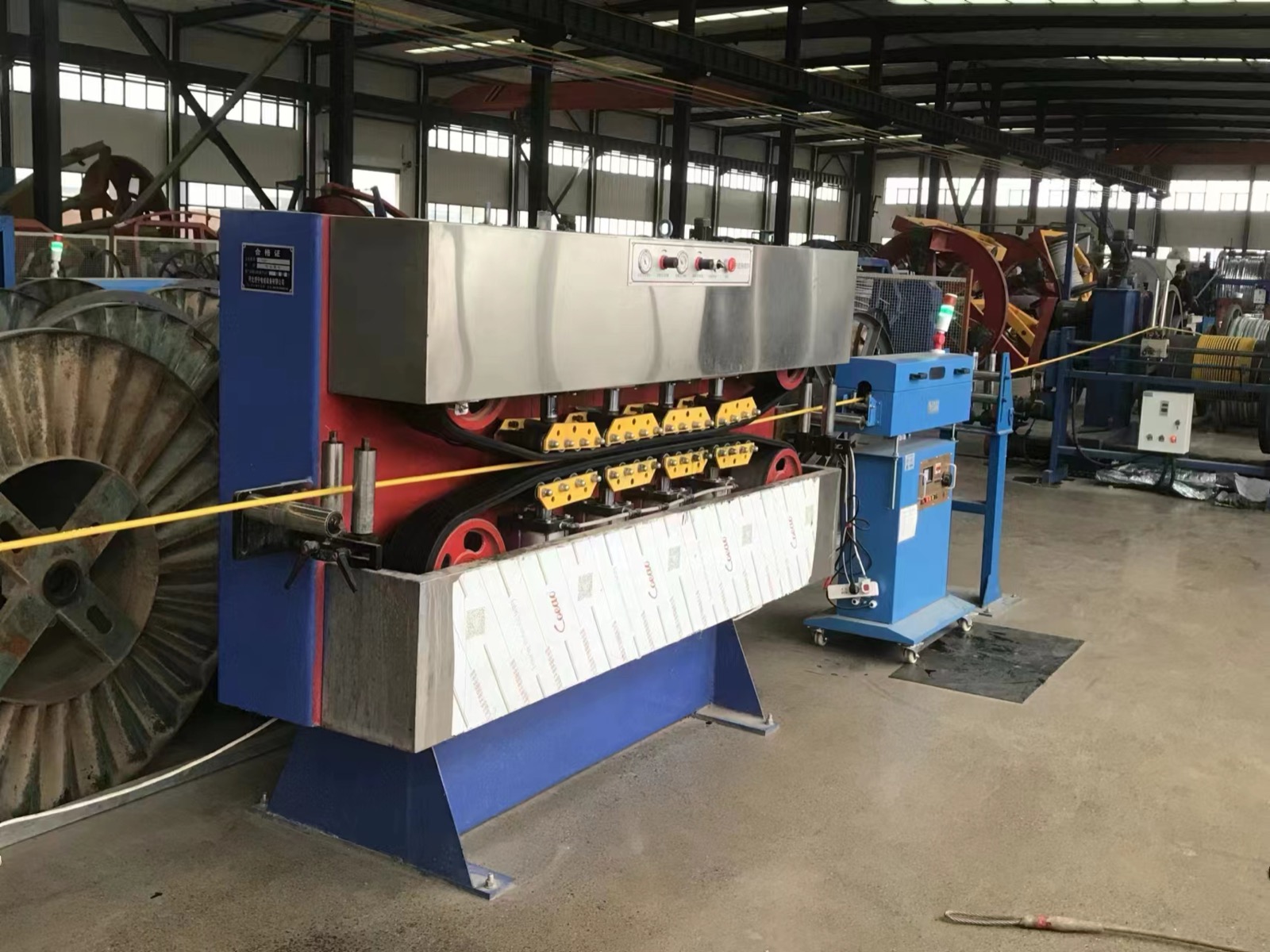
Our range covers the scopes identified above: LV and MV XLPE from 0.6/1 kV to 26/35 kV in copper or aluminium; SWA and STA armoured cable to IEC 60502 and BS 5467; multi-core control cable, shielded and unshielded, for factory automation; fire-resistant and LSZH cable to IEC 60331, 60332 and 61034 for metro, tunnel and high-rise work; and solar DC cable to IEC 62930. All built to IEC 60502 and marked to the TCVN-referenced specification.
Against the qualification steps above, what we put in writing per order: FOB, CIF or DAP quotations against your schedule and the day's copper, with the quotation validity date on them and no distributor layer; type-test reports from accredited laboratories against the IEC clauses TCVN adopts, for the construction quoted rather than the product family, with the accreditation mark you can check against the issuing body's register; a production window with start and finish dates and the drum schedule; mixed-product container consolidation where the package suits it; and the route — short sea to Hai Phong or Ho Chi Minh City, or overland through Lang Son or Lao Cai — with the legs we control priced. Factory visits are arranged by appointment; ask us for available dates and the scope you want to see.
What we cannot commit to is anyone else's part of the chain: freight rates, tariff classification, customs clearance times, and whether your consultant, the developer or the approving authority accepts an imported cable on that project. Hold us to the ex-works price, the reports and the production dates; get the rest from your forwarder, your broker and the project documents.
The boundary, stated before you ask: for urgent small quantities and for fire cable you cannot finish qualifying within the programme, stay with the proven local product. We would rather lose that line item than have you substitute life-safety cable against the clock.
Send the specification and the quotation comes back clause-for-clause, with the matching type-test report and copper-referenced FOB/CIF or DAP pricing.
Frequently Asked Questions
Is Chinese cable accepted on Vietnamese projects?
That is decided by the specification and the people reviewing the submission, not by the cable. Where a specification cites "IEC 60502 / TCVN 5935 compliant" without naming a manufacturer, matching type-test reports from an accredited laboratory are the evidence you put forward — acceptance still depends on the specification's conditions, Vietnamese regulations, and the consultant, developer or authority assessing it, so get their position in writing before you build an offer around it. Public or developer specifications that name CADIVI or require a domestic brand end the question — read the brand clause first.
Does Chinese cable meet TCVN standards, not just IEC?
TCVN 5935 and TCVN 6612 are adoptions of the matching IEC standards, so the same type tests can be referenced — that is a fact about the standards, not about a given factory. Ask the supplier whether they will build and mark to the TCVN-referenced specification rather than generic IEC, ask for the type-test reports against those IEC clauses for your construction, and confirm with the consultant that the marking format on offer is what they will accept.
What makes Vietnam different from other cable import markets?
Distance. China and Vietnam share a land border, so cable can move overland via the Guangxi crossings, and the sea leg to Hai Phong or Ho Chi Minh City is one of the shorter China export routes. Shorter transit and a one-hour time difference make the logistics and the correspondence easier to manage than a long-haul route — get the actual transit times and charges quoted for your route, since those are the figures that go into the cost stack.
Can a Chinese factory supply fire-resistant cable for metro and high-rise projects?
Factories do manufacture fire-resistant and LSZH cable to IEC 60331 / 60332 / 61034 — whether a particular offer is usable on your project is a documentation question. Demand the specific type-test reports for the exact fire class and construction offered, not a generic certificate, and get the consultant's acceptance of those reports before ordering. If the matching reports are not available, do not substitute.
What is the single most important thing to verify?
On power cable: the XLPE compound grade, plus the PD result on MV constructions. Ask for the grade in writing with the batch certificate, and for the measured PD value for the construction quoted, checked against the acceptance criterion in the cited edition of IEC 60502-2 and any tighter project limit. A supplier who will not name the compound or produce the PD report has answered the question for you. On fire cable the priority changes — the fire-integrity reports for the exact class and construction come first, because nothing else compensates if those are missing.
Where to Read Next
Grouped by the question you are answering:
Costing the schedule — what moves XLPE price per metre and the same for SWA armoured constructions.
Reading the documents — which certificate proves what and the factory audit checklist.
Fire and specialist scope — fire-resistant cable for high-rise and tunnel work, and KVV / KVVP / KVVR control cable compared for the automation side of a factory package.
Import mechanics — documents, Incoterms and customs clearance, plus what a cable scam looks like.
Regional scope — cable supply into Vietnam and Southeast Asia and the solar cable buyer's guide for renewable packages.
Market Context: Why Vietnamese Buyers Compare
Vietnam's cable demand is driven by sustained FDI-led industrialisation (factories and industrial parks), rapid urban construction and high-rise development, metro and infrastructure build-out in Hanoi and Ho Chi Minh City, grid expansion, and one of Southeast Asia's largest renewable programs. Every one of these consumes commodity XLPE, armoured, control, fire-resistant, and solar cable in volume — the categories where a standard specification and large quantities make a second source worth quoting.
At the same time, contractors and developers work on tight margins and tight schedules, which pushes procurement to test where savings might exist on commodity spend. Cable is one of the largest single line items on any electrical package, and the China border sits next door — both reasons to cost the alternative properly rather than assume the answer.
CADIVI remains a strong, credible incumbent with genuine advantages in local stock, distribution reach, and brand acceptance. The realistic 2026 framing is not "replace CADIVI with China" but "match the source to the scope, then prove it on paper": domestic for urgent stock, small building wire, and brand-named specifications; a qualified Chinese factory as a candidate for the large-volume standard XLPE/MV/control/solar cable that dominates the spend, subject to the clause check, the acceptance question and the cost stack above.
Decision Summary
| Line item on your schedule | Where to test first | What has to hold |
|---|---|---|
| Standard LV/MV XLPE and armoured to IEC 60502 / TCVN 5935 | Quote both; compare on the cost stack | TCVN clause list evidenced construction by construction |
| Industrial park and infrastructure volume | Quote both | At this many metres, price the difference rather than estimate it |
| Control cable in bulk | Quote both | Standard construction, widely supplied |
| Solar DC and AC collection cable | Quote both | IEC 62930 reports, and a specification that names no brand |
| Cable needed this week | CADIVI or local stock | A stock position and delivery date confirmed in writing |
| Small building-wire quantity | CADIVI or local stock | Fixed import overhead spread over few metres |
| Brand-named specification | CADIVI | The clause governs, not the comparison |
| Fire cable not yet fully qualified | The proven product | Life-safety scope, no schedule shortcuts |
Up to 35 kV, on standard XLPE, armoured and control cable built to IEC 60502 and TCVN 5935, a qualified Chinese factory is a legitimate candidate against CADIVI — provided the clause list is evidenced for the construction you are buying, the people reviewing the submission have accepted the conformity route, and your own freight, duty, clearance and inland quotations show what it lands at. The short border shortens the transit leg; it does not do the arithmetic for you. Read the clause, read the report, look at the plant, get the acceptance in writing, then compare prices.
Disclaimer: written as procurement research, not as a criticism of CADIVI, which is a capable manufacturer; every statement about it here is factual. Standards referenced are the published IEC and TCVN texts. No prices appear on this page — ask for a quotation against your own specification.